Before AI Had a Name: Creative Automation and Human Judgment
What a glass office in downtown Raleigh taught me about creativity, automation, and human judgment.
As Blevins Creative Group gets close to 30 years in business, I’ve been thinking a lot about where some of our core philosophies actually came from. Not the polished, corporate-sounding versions. The real ones. The ideas that shaped how we work long before people started turning everything into buzzwords.
The Office Overlooking Raleigh

Back in the mid-1990s, I was an art director at a small agency in downtown Raleigh, North Carolina.
My office was on the 10th floor with a huge wall of glass overlooking the skyline. At night, the city lights reflected across the windows while giant print files slowly crawled across a Macintosh that sounded like it might explode at any moment.
The agency owners were Italian. The father was in his seventies, incredibly smart, chain-smoked nonstop in a building that definitely didn’t allow smoking, and somehow nobody ever stopped him. Everybody called him “Old Man.”
I liked him right away.
What most people missed about him was that he wasn’t out of touch at all. Honestly, for his age, he was surprisingly tech-savvy. He understood systems. He understood production. More than anything, he understood value.
Before Automation Became a Buzzword
At the time, we were producing huge catalogs and brand campaigns that involved hundreds of product images being scanned, color-corrected, clipped, stylized, and prepped for print.
This was way before cloud workflows, AI image tools, or automation becoming a trendy topic in the creative world.
But even then, we were building systems.
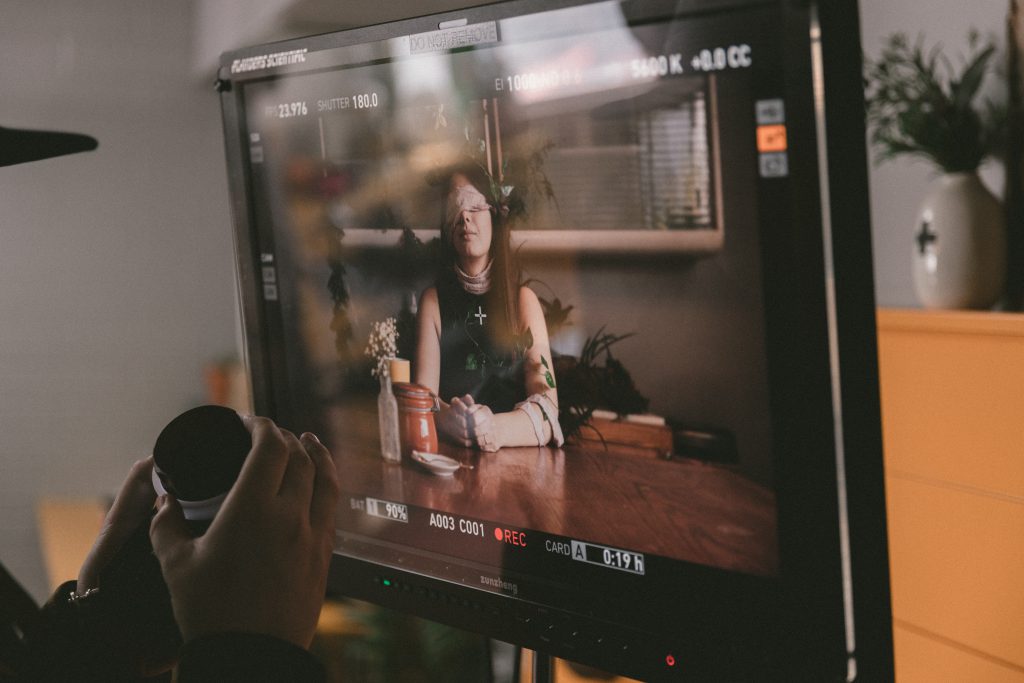
I started creating Photoshop actions and scripted workflows to automate repetitive image-processing tasks. I’d manually perfect one image first, adjusting color, density, contrast, sharpening, and styling until it matched the exact visual feel we wanted. Then I’d record those steps and turn them into a repeatable process.
Once everything was dialed in, I could load up folders with two or three hundred giant high-resolution files and let the computer do its thing.
And back then, computers were slow.
Painfully slow.
So I’d leave the office, walk around downtown, grab coffee, sometimes even catch a movie, then come back right as the batch process was wrapping up. By the time I returned, hundreds of files would be processed consistently and ready for layout.
Because the real danger was never the technology itself. The danger is forgetting that tools are supposed to support human vision, not replace it.
– M. Blevins

The Difference Between Presence and Value
Later, the Old Man told me his son would walk into my office every twenty or thirty minutes while I was gone just to make sure the computer was still running, scratch his head, and walk back out. Apparently he never understood why I wasn’t sitting there watching the monitor.
The funny part was that if somebody else showed up ten minutes late, they’d get absolutely destroyed for it. But nobody ever said anything to me.
At the time, I figured it was because the Old Man trusted me. Looking back now, I think it was more specific than that.
He understood the work was still getting done.
The machine running in that office wasn’t replacing creativity. It was extending it. The thinking had already happened before the process even started. The standards were already set. The visual language had already been defined.
The automation only worked because somebody with taste, judgment, and experience built the system behind it.
“Visual Programming”
In my head, I used to call it “visual programming.”
Not coding in the traditional sense. More like teaching the machine how to handle repetitive tasks so more energy could go toward the parts that actually needed human thinking.
That mindset stuck with me for decades.
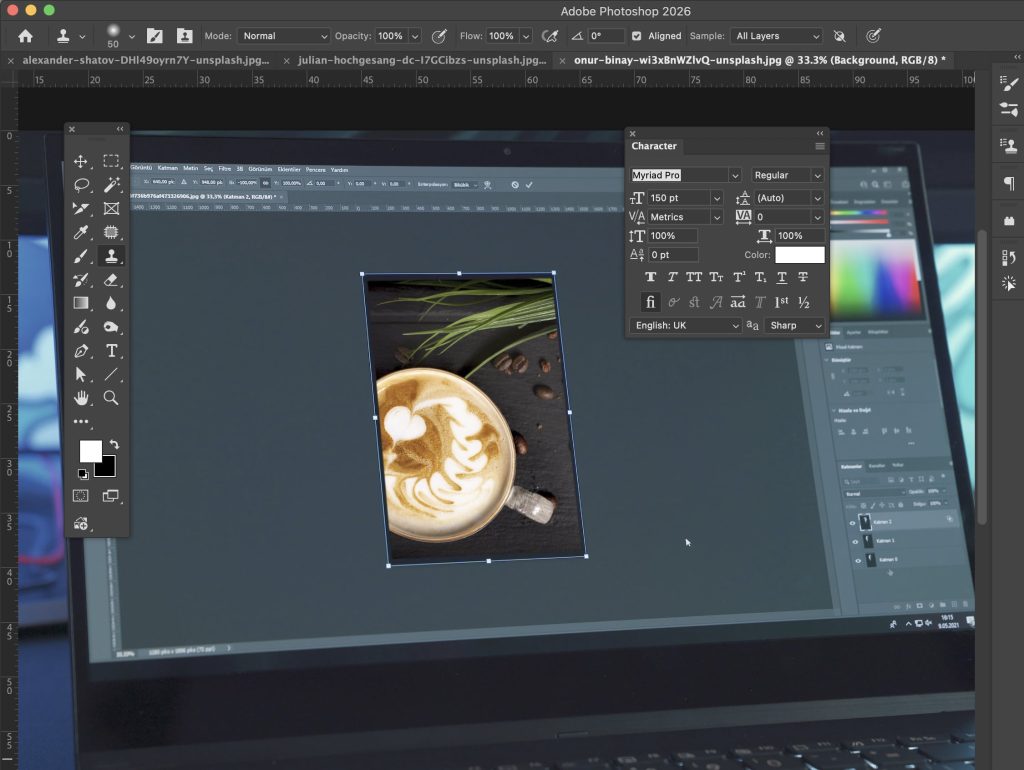
Now everybody talks about AI like it suddenly appeared out of nowhere. But creatives, photographers, designers, editors, architects, and production artists have been building systems to extend human capability for a long time.
The tools changed. The questions didn’t.
How do you maintain quality at scale?
How do you protect creative energy?
How do you remove repetitive work without removing human judgment?
How do you use technology without losing craftsmanship?
Those questions matter now more than ever.
The Human Part Still Matters
Because the real danger was never the technology itself. The danger is forgetting that tools are supposed to support human vision, not replace it.
That computer in the Raleigh office could process hundreds of images while I was gone, but it couldn’t decide what felt right. It couldn’t understand brand tone, emotion, balance, restraint, or storytelling. It couldn’t tell when an image needed to break the rules to become memorable.
That still took a person.
Thirty years later, that belief is still at the center of how we approach branding, strategy, placemaking, design, and storytelling at Blevins Creative Group.
Technology should create more room for human creativity, not less.
And honestly, that lesson started in a glass office overlooking downtown Raleigh with an old Macintosh, a chain-smoking Italian owner, and a computer so slow you had plenty of time to leave for coffee before it finished.