


Client
Projects
Date
Our Services
-
Brand Strategy, Positioning & Message Development
Website Strategy, Architecture, Content & Ongoing Brand Stewardship
Marketing Strategy & Campaign Support
Employee & Culture-Centered Storytelling
Advertising Strategy & Creative
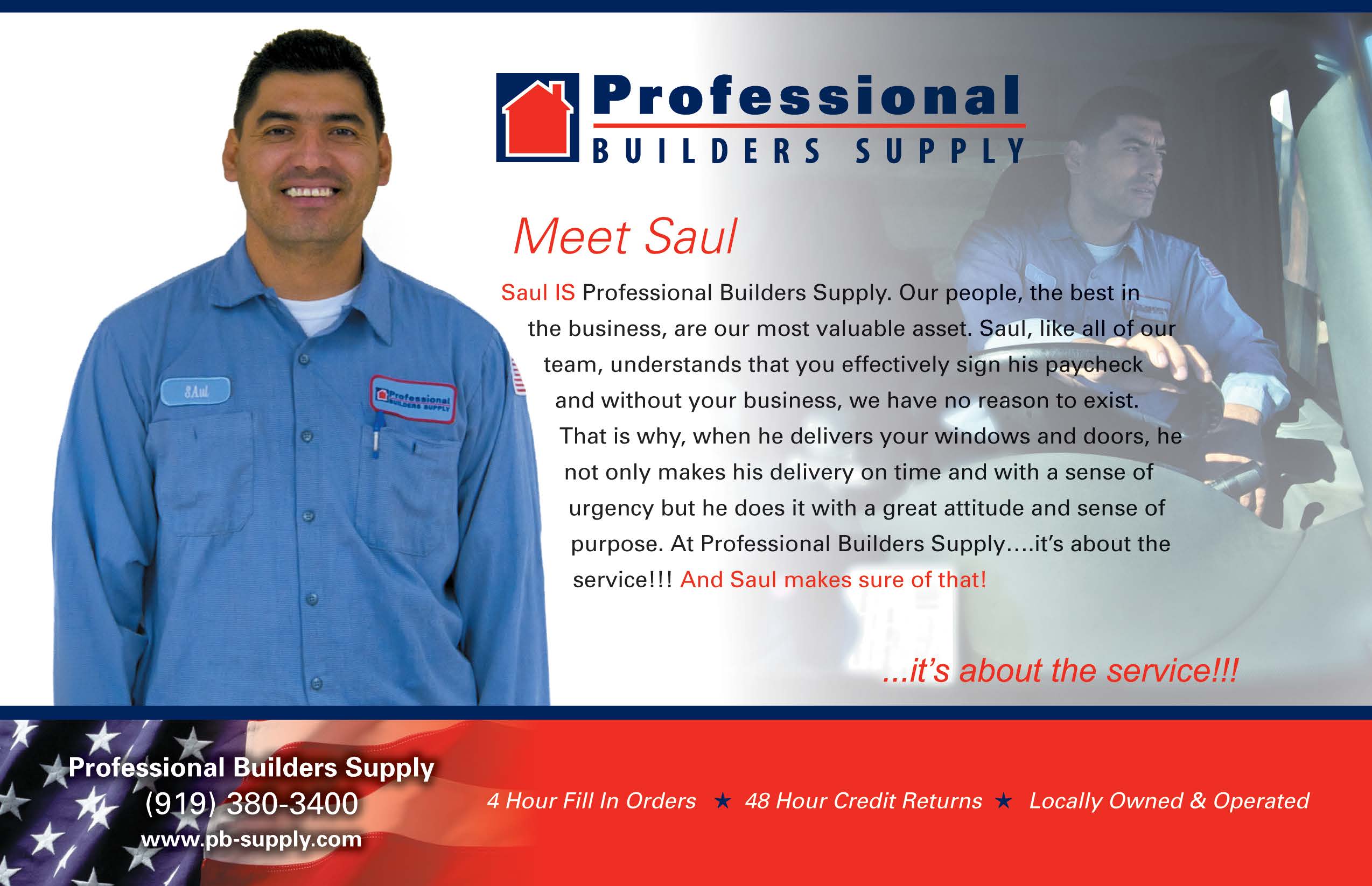
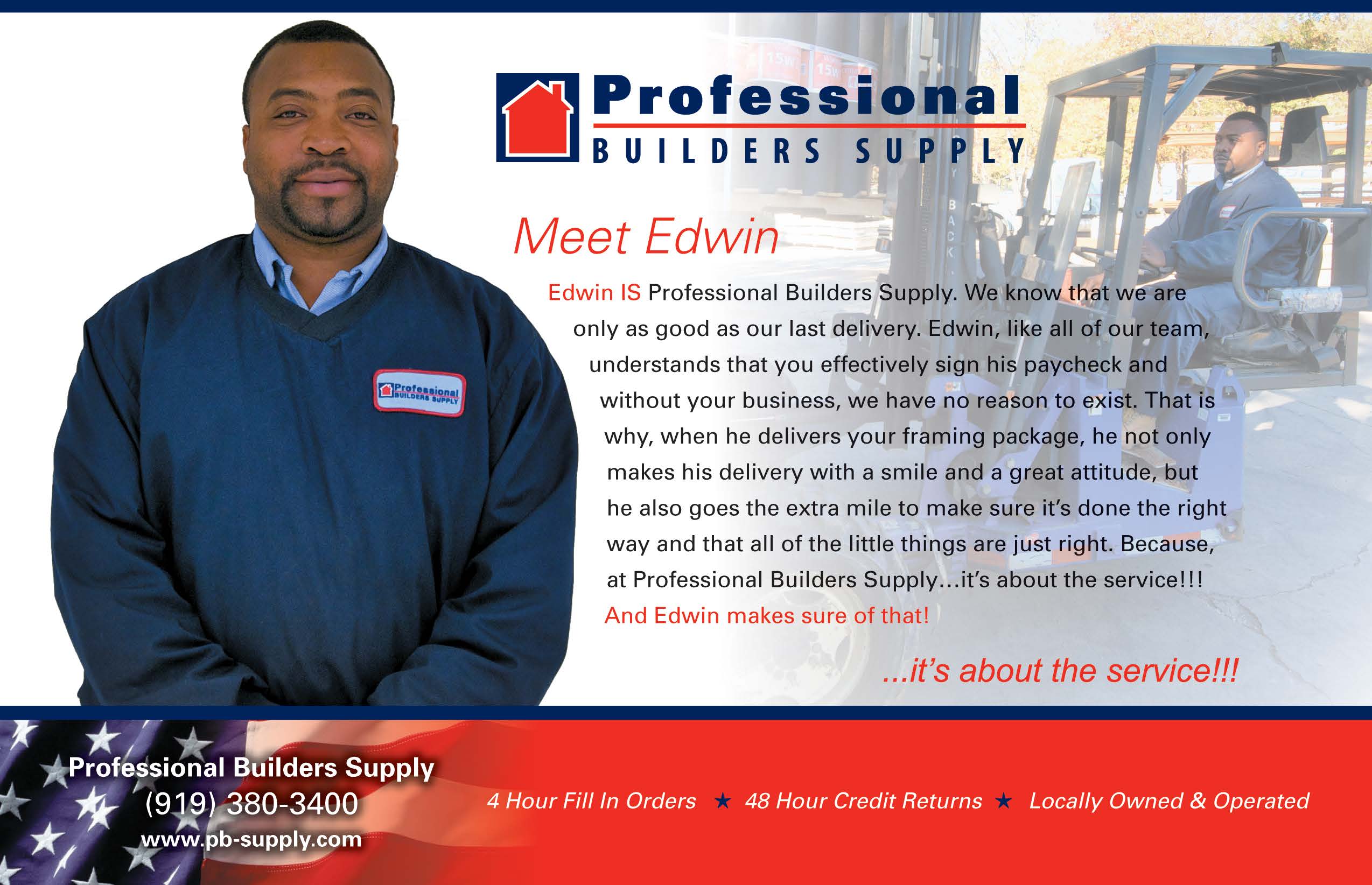
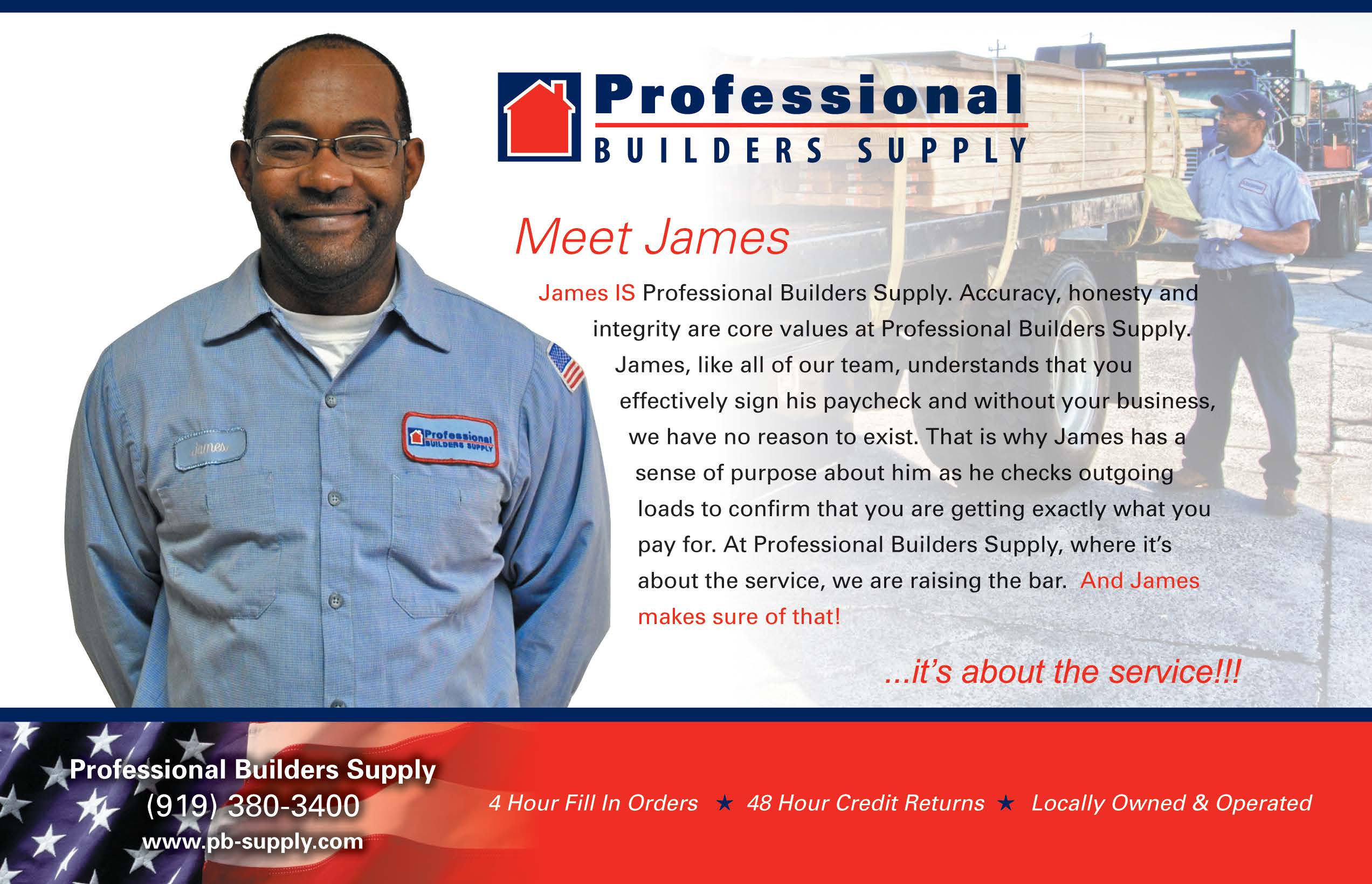
“Meet PBS” Employee Series
Business Cards, Letterhead & Envelopes
Print Production, Handling & Publication Advertising
Press Releases & Public Relations Support
Photography & Visual Direction

The Assignment Was Bigger Than a Website
Blevins Creative began working with Van Isley and Professional Builders Supply in September 2010. PBS already had a basic web presence, but it did not yet reflect the scale, service culture or professionalism of the company Van was building. The immediate needs were familiar for a growing business: a stronger website, print materials, advertising, press support and a consistent outward identity. The more important question was strategic. In a market full of companies selling many of the same products, what could make Professional Builders Supply unmistakably itself?
The answer was already inside the company. Van’s view of the business was straightforward: to be the best, you hire good people, treat them right and give them the responsibility to take care of customers. He did not see PBS as a commodity supplier differentiated by lumber, windows, doors or manufacturer lines. He understood that the business rose or fell on people, responsiveness and follow-through. Our job was not to invent a marketing promise. It was to recognize the operating belief already driving the company, organize it and make it visible enough to travel.

Built Around Service

Making Culture Visible

A Culture That Could Scale

The Strategic Discovery
The Discovery: Service Was the Brand
The phrase that became the center of the outward brand system was simple: “…it’s about the service.” It worked because it was not imposed on the company. It translated the way Van already understood the business. More importantly, PBS could prove it. Service was not treated as a vague adjective beneath a logo. It could be demonstrated in how an employee handled a problem, how quickly a missing item was filled in, how credits were returned, whether a delivery arrived as promised, and whether a builder trusted the supplier behind the job when the schedule got tight.
That changed the creative task. Instead of decorating a building supplier with generic construction imagery, Blevins Creative built a brand language around evidence.
Service was the differentiator.
People made it believable.
Operations made it provable.
Branding made it recognizable.
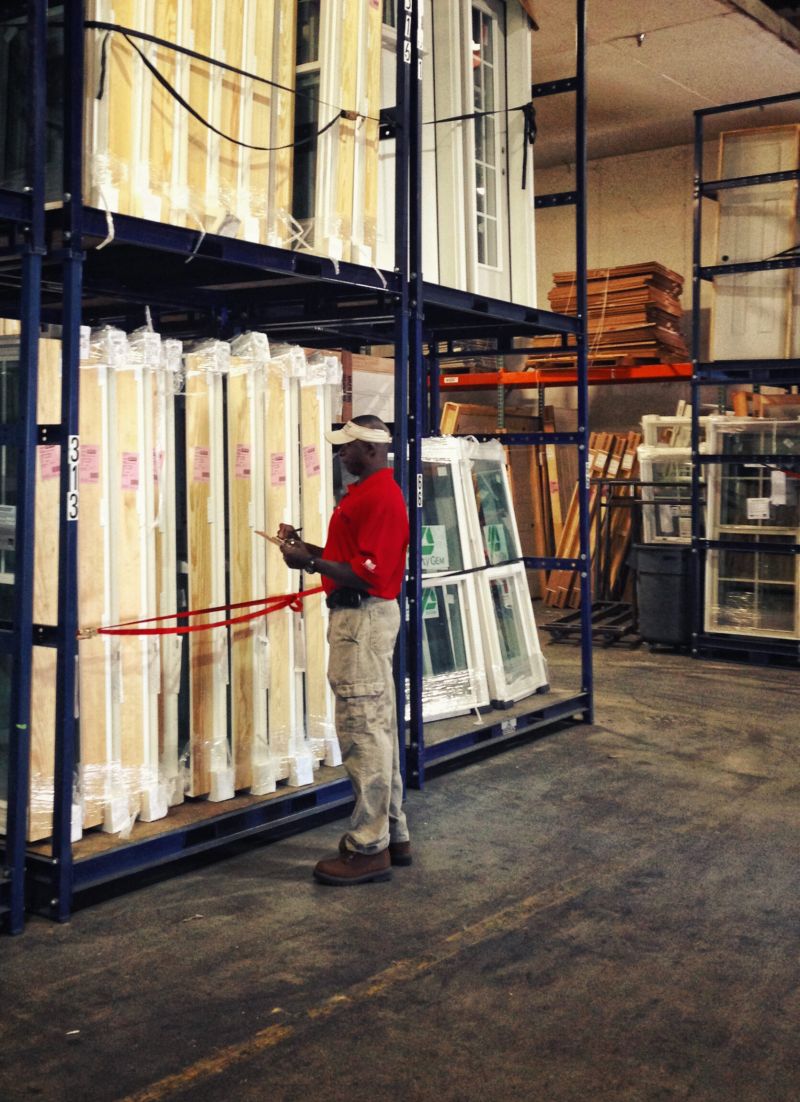

Making the Culture Visible: The Meet PBS Series
The idea still feels current because the strategy was never about a trend.

By 2013, three years into the engagement, the brand had matured enough that we could move beyond simply telling customers that Professional Builders Supply was different. We could show them who made it different.
That became the Meet PBS series. Rather than center the campaign on executives, products or generic claims about customer service, each installment paired a real employee with an observable part of the service promise. Edwin showed the care and attitude expected when a framing package reached a jobsite. James represented accuracy, honesty, integrity and the responsibility of checking outgoing loads. Rob made the four-hour fill-in commitment personal. Saul demonstrated the same sense of purpose in delivery. Tammy showed that service could begin with something as simple as a real person answering the telephone in two rings or less.
The recurring construction was deliberate: Edwin IS Professional Builders Supply. James IS Professional Builders Supply. Rob, Saul, Tammy and the other employees featured over the years were treated the same way. We were not merely saying they represented the company. We were saying that the people doing the work were the company.
The series also returned to an idea Van believed deeply: the customer effectively signed the employee’s paycheck. Without the customer, the company had no reason to exist. That gave Meet PBS considerably more weight than a conventional employee spotlight. It connected employment, customer service, operating discipline and company culture into one message.
Visually, the campaign repeated the same system across the years: a real employee, that person at work, a specific story about how the job affected the customer, measurable service commitments, and the closing line “…it’s about the service!!!” The repetition mattered. Customers were not being asked to believe a slogan; they were being shown evidence of it throughout the organization.
Meet PBS became more than an advertising series. It was internal branding done in public, showing customers what to expect while showing the organization what Professional Builders Supply valued.

Building the System Around the Idea
The website became the primary place where the company’s products, people, capabilities and service philosophy could come together. PBS carried established manufacturer lines, so Blevins Creative used product and sponsor links strategically rather than pretending those brands were proprietary. Linking customers directly to manufacturer websites made the PBS site more useful and created a practical basis for sponsor participation that helped offset portions of the marketing cost. It saved money while reinforcing the larger point: PBS did not have to own the products to own the experience of selecting, supplying and supporting them.
The same brand language then moved into the everyday materials a growing company actually used. Blevins Creative produced business cards across locations and for production personnel, letterhead and envelopes, handled print production, wrote and distributed press releases, and developed advertising for different publications. Photography, content and visual direction kept the people and the operation in view.
The objective was never to make each item “creative” in isolation. It was to make the company recognizable. Whether someone encountered PBS through a business card, an advertisement, a truck, a website page, a press mention or an employee, the pieces were designed to tell the same story.

A Culture That Could Scale
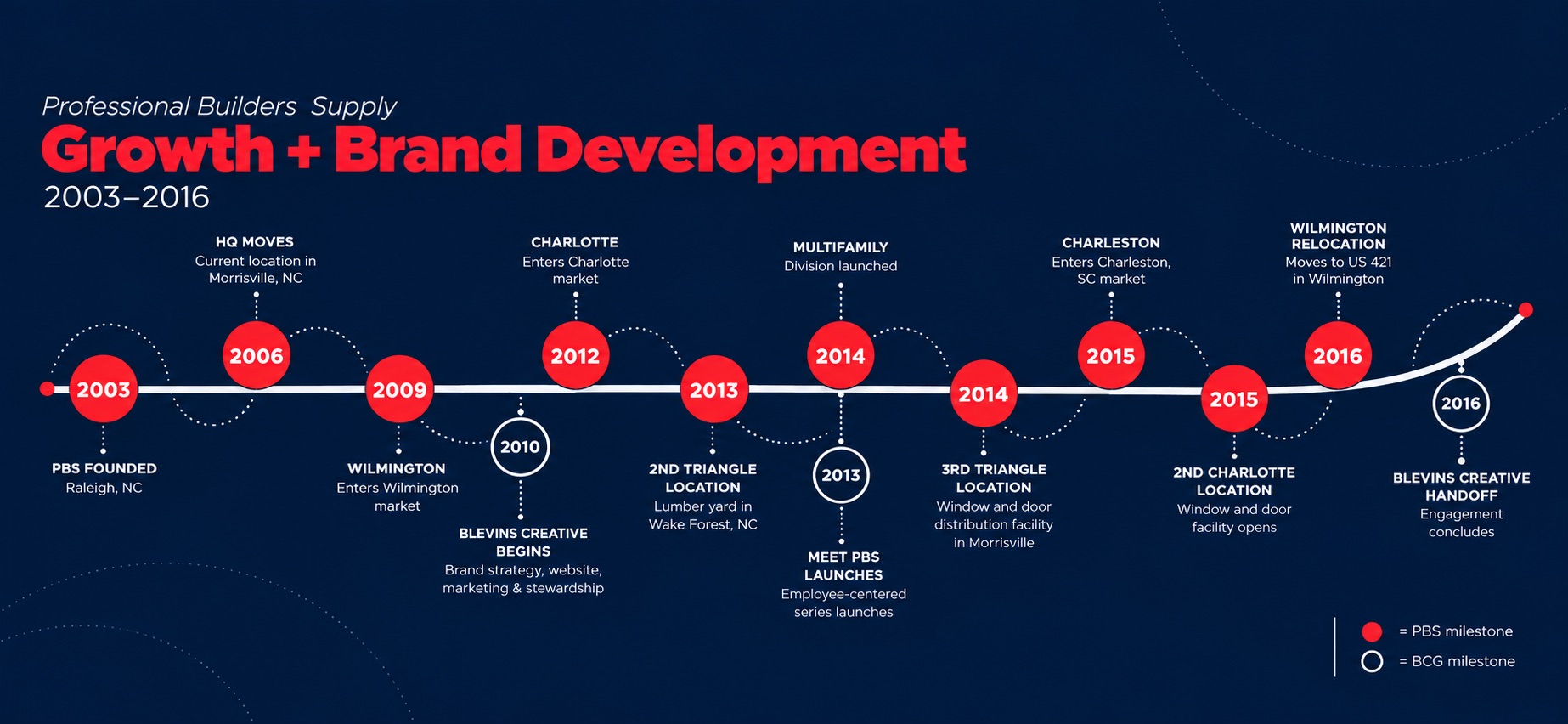
The years Blevins Creative worked with Professional Builders Supply coincided with a significant period of expansion for the company. PBS entered the Charlotte market in 2012, established a second Triangle location in 2013, launched its Multifamily Division and opened another Triangle facility in 2014, entered Charleston and added a second Charlotte location in 2015, and moved its Wilmington operation into a new facility in 2016.
Growth at that pace creates a communications problem as much as an operational one. The founder and original team can no longer personally explain the culture to every customer, employee or market. The identity has to begin carrying some of that meaning on its own.
That is where the system around “…it’s about the service” became particularly useful. Repeated language, visible service standards, employee stories, photography, advertising and consistent materials gave a growing organization a shared vocabulary for what mattered. The brand did not replace the culture. It helped the culture travel.
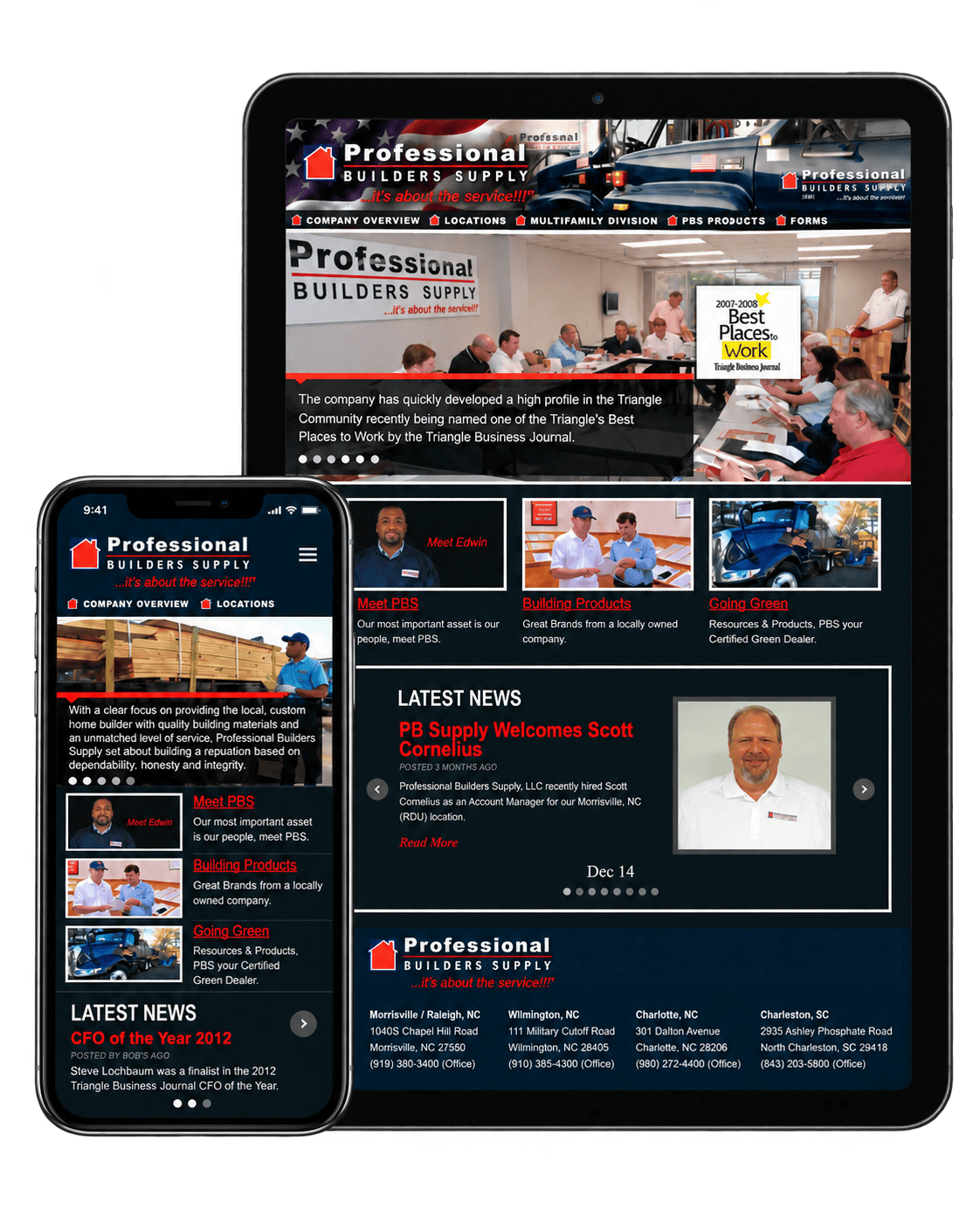
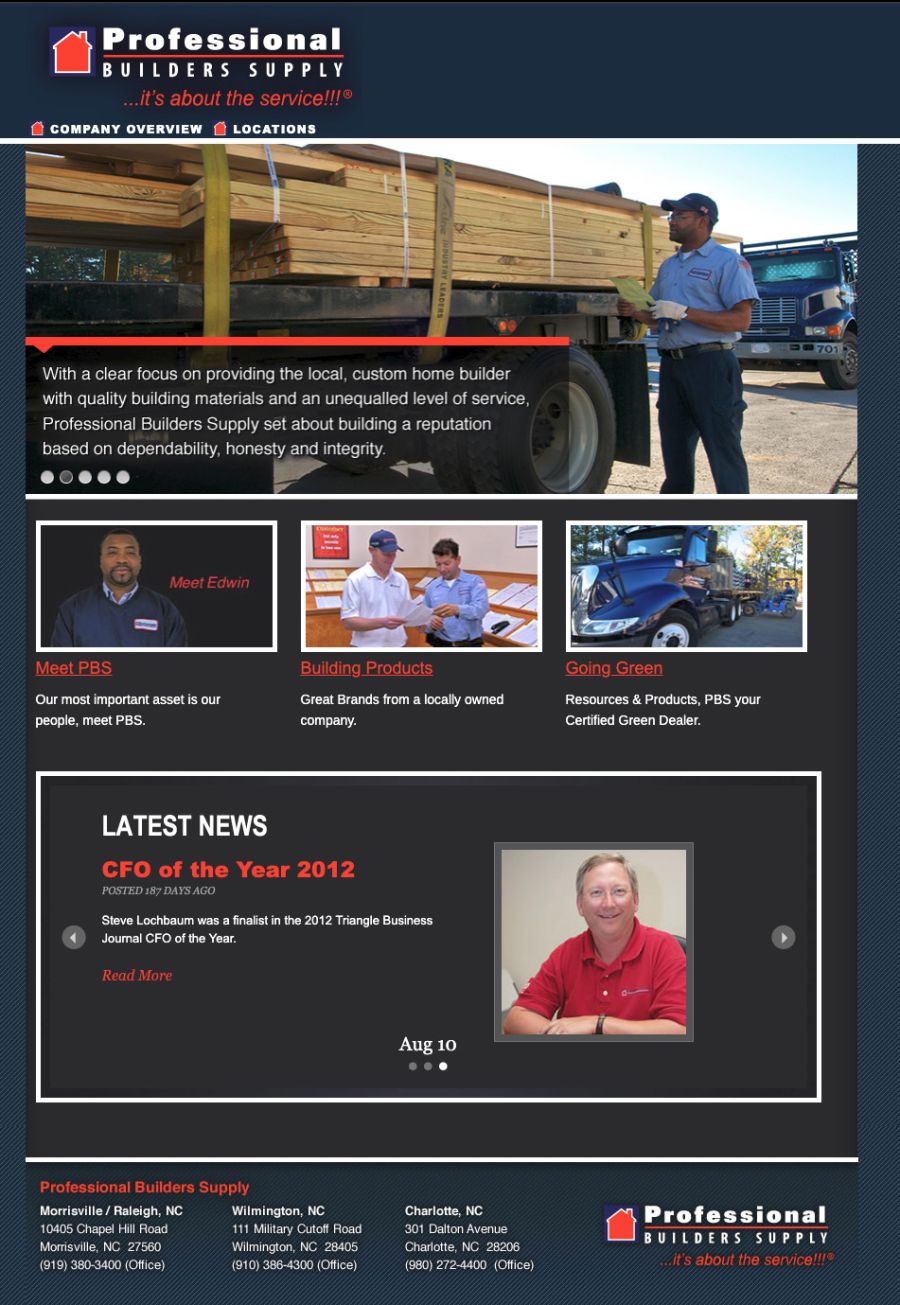
2013 — Building the System Around the Idea
The service promise, Meet PBS, product resources and company news were already being organized into one customer-facing brand system.
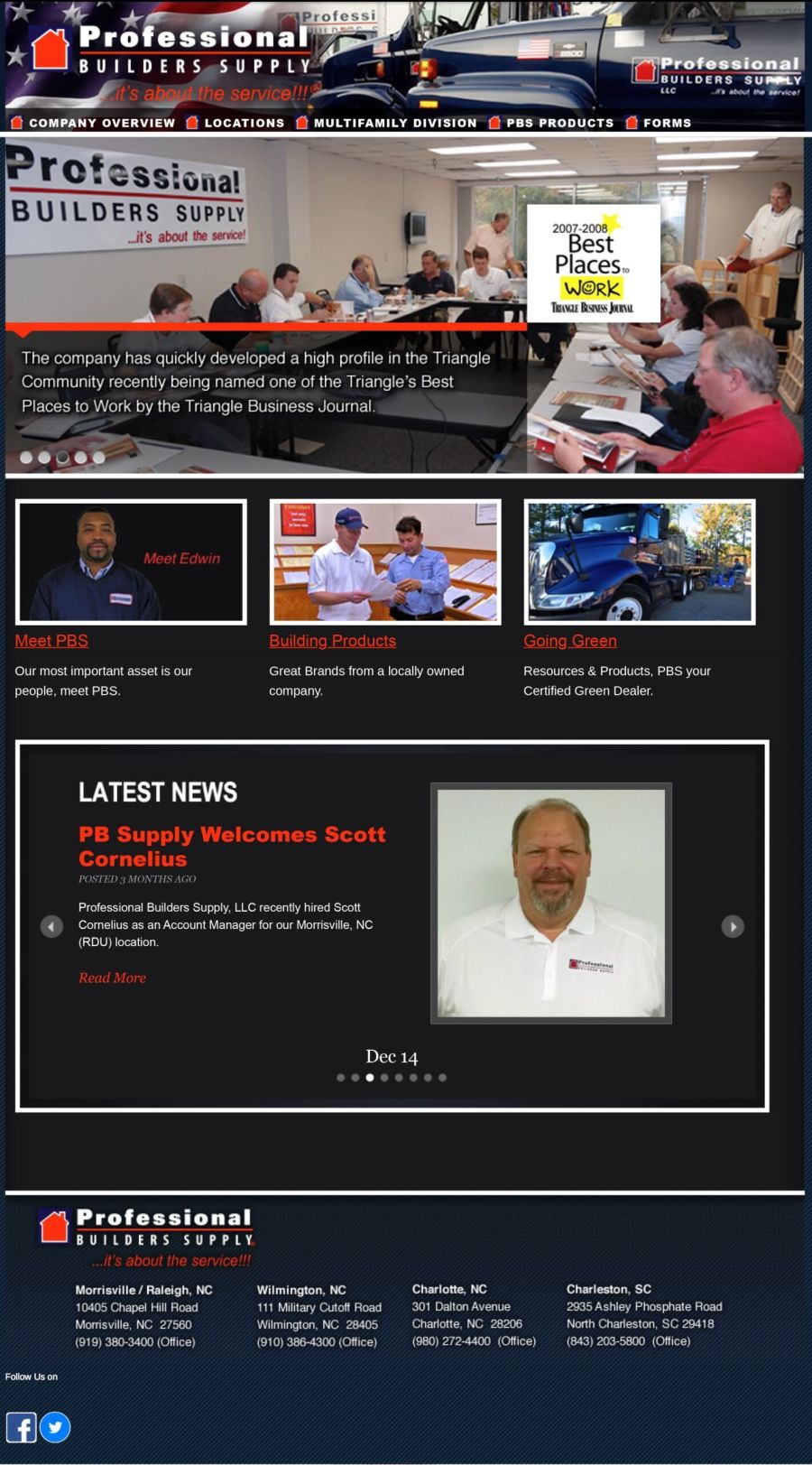
2016 — A Culture That Could Scale
Three years later, the same core identity was supporting additional markets, locations, divisions and operational resources without losing the people-and-service story.

A Brand That Could Travel
Our engagement with Professional Builders Supply continued through approximately 2016, when the marketing work shifted to a Wilmington-area firm. By then, the system had done something more important than produce a collection of marketing pieces. It had translated an internal operating belief into a recognizable external identity that could move across locations, departments, media and people without needing to be reinvented every time.
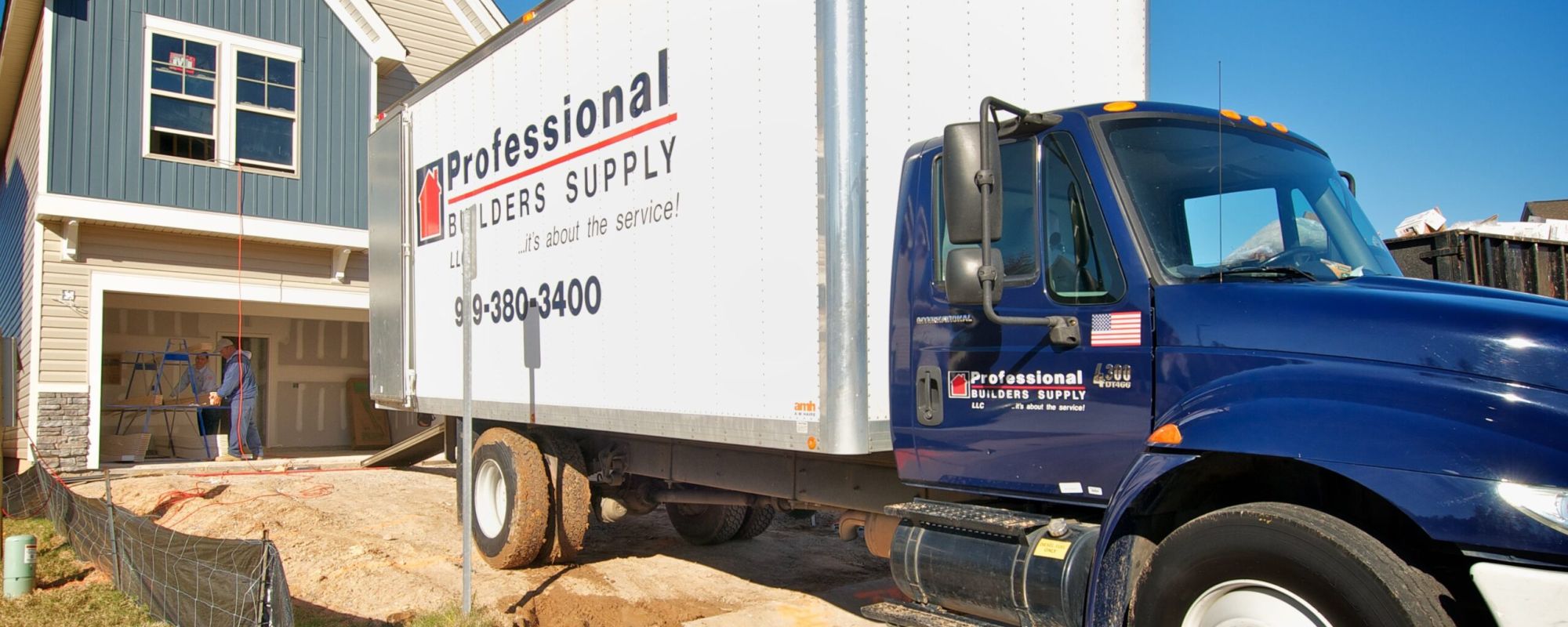
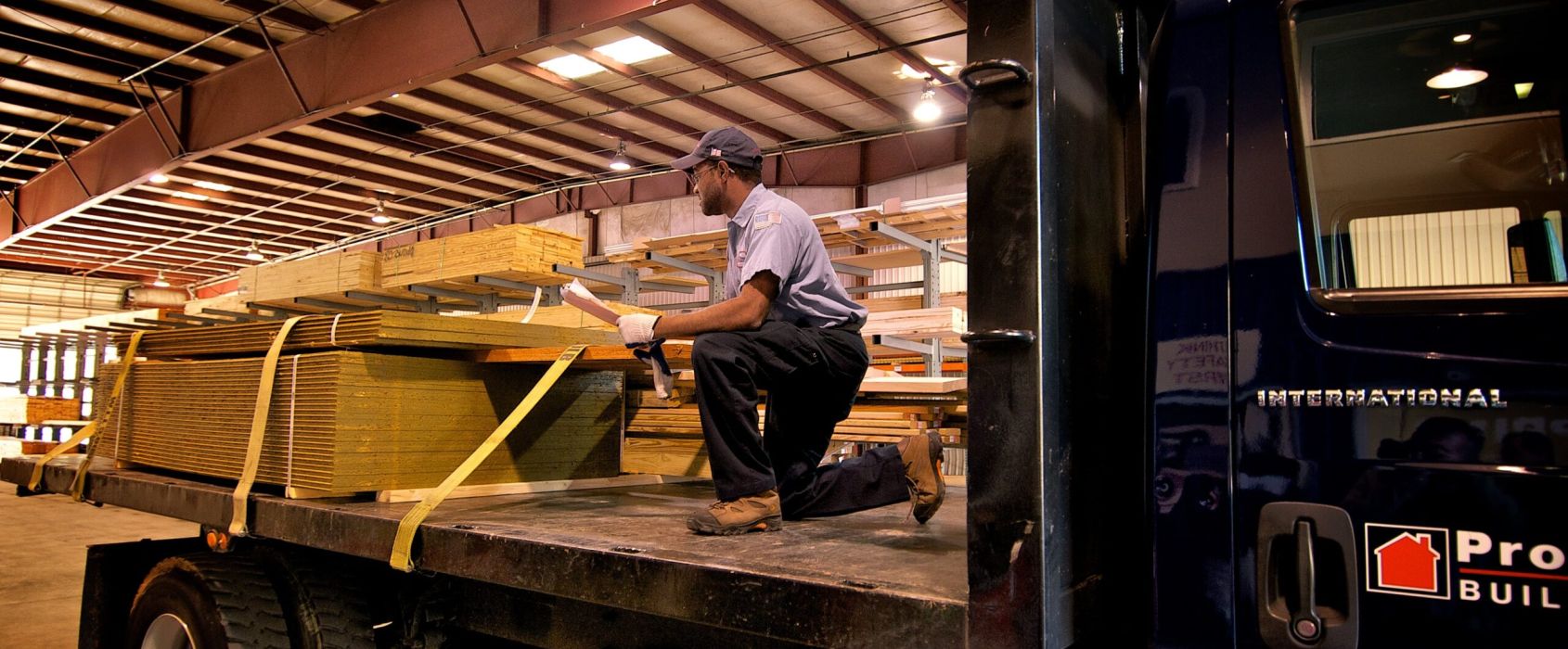
There is a particular satisfaction in seeing a brand become physical in the world. For this work, one of those moments was seeing PBS fleet trucks on the road carrying “…it’s about the service.” The line belonged there because the truck itself was part of the promise. It represented a company moving product, keeping schedules and showing up. The brand and the operation were saying the same thing.
Retrospective: What the Growth Confirmed
Professional Builders Supply continued to grow after Blevins Creative’s engagement ended. When US LBM announced its acquisition of PBS on December 1, 2021, the company operated 12 locations in North and South Carolina. The acquisition should not be read as a result of the earlier branding work; businesses are acquired for many financial, operational and strategic reasons. What is notable in retrospect is the continuity of the company’s own story. In the acquisition announcement, Van Isley said the partnership would allow PBS to continue delivering an “unequaled level of service,” while also emphasizing a shared philosophy of treating people with care, honesty and respect so they would do the same for customers.
More than a decade after the original work began, the same ideas were still being used to explain the company’s value to customers, employees, communities and a national partner: people first, service as the standard, and growth that did not require abandoning the culture. That continuity is more meaningful than whether a logo, website or advertisement survived unchanged. It suggests that the work found something durable at the center of the company.
What This Case Study Demonstrates
Looking back, Professional Builders Supply remains one of the clearest examples of the work Blevins Creative has always done best: recognizing the part of a company that is already valuable, translating it into a clear idea, and then making that idea visible everywhere it needs to travel. The website mattered. The advertising mattered. The photography, print pieces, press releases, fleet graphics and employee stories mattered. But they worked because they were not separate tactics competing for attention. They were expressions of one recognizable company.
This is what we mean today when we say recognition comes before marketing. PBS did not need us to invent meaning for the business. The meaning was already present in Van’s philosophy, in the people he hired, in the standards the company set and in the way customers were expected to be treated. Our work was to recognize it, organize it and make it visible.
In a crowded market, the products could be purchased elsewhere. The culture could not.
The strongest brands are not invented. They are revealed.