The Housing Market Didn’t Collapse. It Divided.
Why the next chapter of residential construction will depend on understanding the difference between price, quality, and genuine value.
For several years, residential construction operated in a market where demand moved faster than supply. Homes sold before they were finished, buyers made decisions under pressure, and builders struggled to keep up. A rising market could disguise weaknesses in positioning, communication, and the experience of building a home.
That period is behind us. Buyers have more time to evaluate options, financing remains expensive, and construction costs remain elevated. Yet the change has not been equal. While many households are being priced out of homeownership, a financially secure group continues to commission highly individualized homes.
It is tempting to call this a slowdown. More accurately, the market has divided, changing what builders must prove to earn a customer’s confidence.
A Market That Looks Balanced Until You Look Closer
According to the National Association of REALTORS®, September 2026 brought 1.6 million existing homes for sale, representing 4.8 months of supply. The median home spent 33 days on the market. Buyers have more negotiating room, but that is not the same as affordability.
The National Association of Home Builders reported an October builder-confidence reading of just 29 out of 100. Forty-three percent of builders surveyed had cut prices, and 65 percent were offering incentives. This is hardly a comfortable return to normal.
Custom construction tells a different, though hardly euphoric, story. NAHB’s analysis of Census data found 183,000 custom home starts over the four quarters ending in mid-2026, essentially unchanged from 184,000 in the preceding period. Custom projects represented roughly 20 percent of single-family starts. That definition covers homes built under contract for an owner, not every high-priced house offered for sale.
Neither luxury nor custom construction has escaped the cycle. But buyers who can proceed without depending entirely on favorable mortgage conditions behave differently from households struggling with monthly payments. Realtor.com’s 2026 Housing Alignment Report found entry-level buyer engagement retreating while interest in higher-priced homes remained more resilient. That is a division in purchasing power as much as taste.
The Cost of Craftsmanship Has Not Gone Away
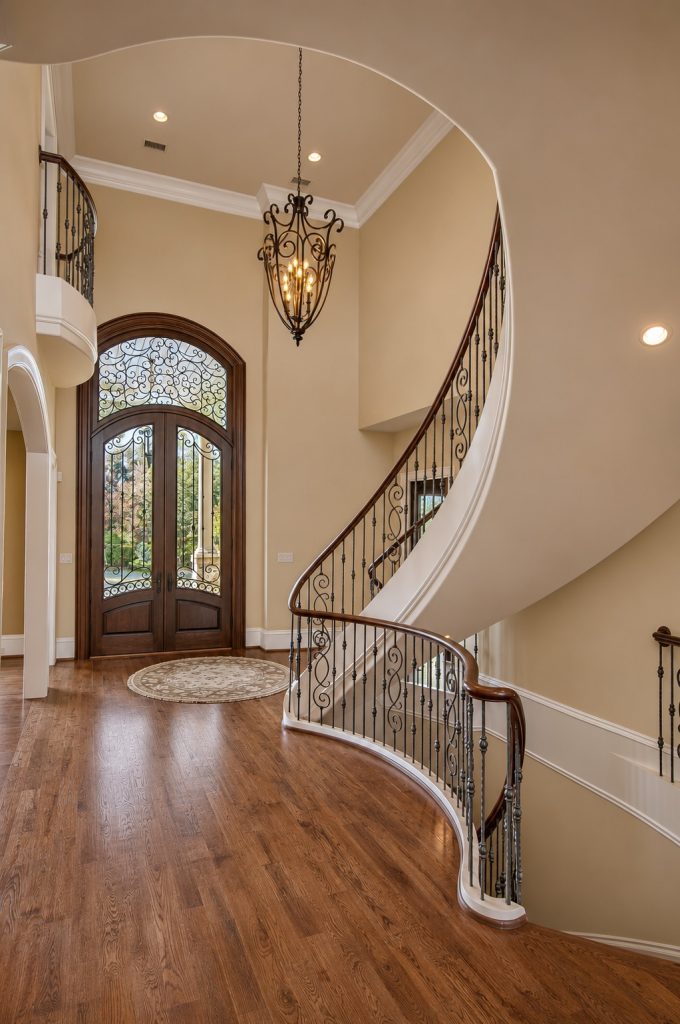
Production builders can standardize plans and purchase materials at scale. Custom builders often work in the opposite direction, coordinating unusual sites, individualized architecture, specialized materials, and highly skilled trades.
Those capabilities are valuable but difficult to assemble. NAHB reports that 61 percent of builders expected labor availability and cost to be a significant challenge in 2026. Its July survey found a median annual increase of 6.7 percent in material costs for the same house. Builders producing five or fewer homes reported a 9.1 percent increase, compared with 1.8 percent among those building 100 or more.
Anyone who has worked with exceptional craftsmen understands what those figures cannot capture. The mason who makes a complicated transition look inevitable, the carpenter who sees a problem before it becomes a change order, or the cabinetmaker who understands that proportion matters as much as finish—these people contribute more than labor hours. Their judgment prevents mistakes and improves what an owner will live with for decades.
But craftsmanship cannot be an excuse for an uncontrolled budget or an unpredictable experience. A premium must be supported by capability, discipline, and proof.
Buyers Are Asking Better Questions
It would be a mistake to assume every wealthy buyer is spending freely. Realtor.com’s September 2026 luxury report found that the listing-price threshold for the top 10 percent of homes was 3.6 percent lower than a year earlier. A premium could not be taken for granted.
Buyers want to know what a higher price actually buys. Does the estimate include site work, allowances, and selections? Who will supervise the project, and are these the craftspeople behind the builder’s portfolio? How will the house perform in energy use, moisture management, and maintenance? What happens to the budget and schedule when conditions change?
A confident builder should welcome this question: If this were your home, where would you spend less, and where would you refuse to compromise? That answer can reveal more about judgment than a photograph of a finished kitchen.
These aren’t demands from difficult customers. They are questions about value, accountability, and trust. Clients are entrusting a builder with their money, their time, and a personal vision of how they want to live. The opportunity is to demonstrate why that trust is deserved.
A Builder’s Brand Must Be Built on Something Real
At Blevins Creative Group, we have spent more than three decades working with builders, residential developers, and building-product companies, including early brand work for Professional Builders Supply. One lesson endures: the strongest businesses often possess more value than their marketing communicates.
We’ve seen firms with extraordinary people and impressive work present themselves through interchangeable claims about quality and service. We’ve also seen average work wrapped in beautiful photography and sophisticated language. The first hides genuine value. The second promises what the company may not deliver.
An effective builder brand makes evidence visible. Show how a project moves from initial conversation to final walkthrough. Explain choices affecting performance and longevity. Introduce the craftspeople and their thinking. Document challenges as well as finished spaces. Help clients understand what makes the experience different before asking them to pay for it.
This is not about making every builder appear luxurious. It is about helping the right customer recognize the right builder for the right reasons.
Quality Should Not Be a Privilege Reserved for Luxury
We cannot celebrate the resilience of high-end construction while overlooking families for whom even a modest new home is out of reach.
The opportunity also involves better construction systems, smarter manufacturing, practical designs, skilled-trade development, and durable, healthy homes at more price points. Efficiency and craftsmanship are not enemies. Good builders know when standardization improves consistency and when individual skill makes the difference.
Customers may have dramatically different budgets, but both deserve honesty, a home that performs as promised, and claims that survive close inspection.
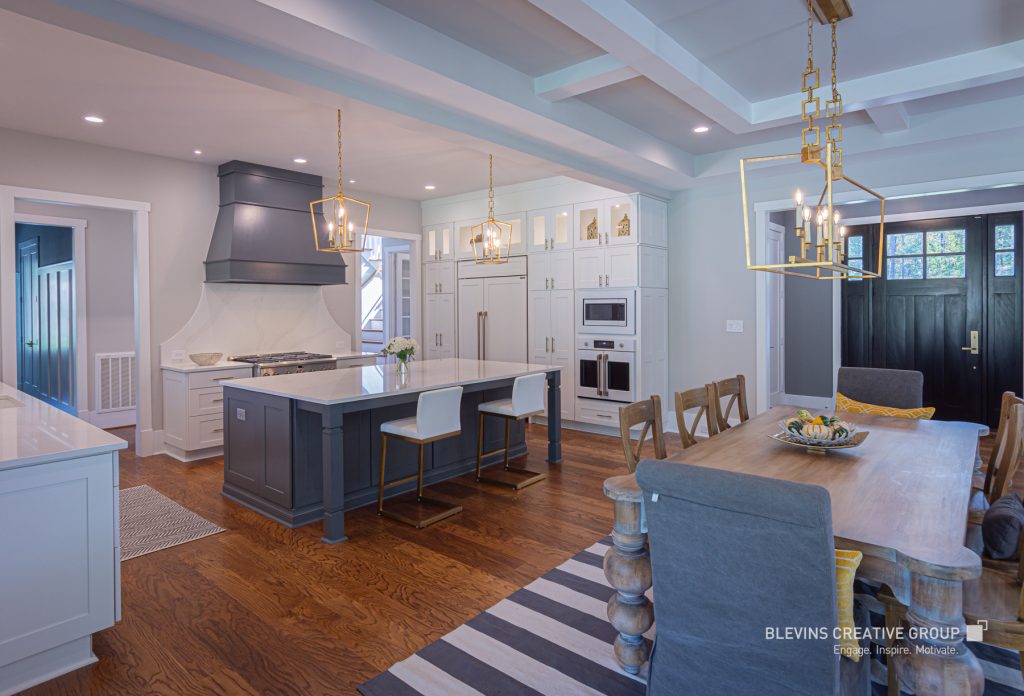
The next chapter of residential construction will reward companies that understand this distinction. A lower price is not automatically better value. A higher price is not automatically greater quality. Value comes from the relationship between what a home costs, how it is built, how it performs, and what it means to the people who live there.
Marketing cannot manufacture that relationship. The builder has to create it through decisions, materials, workmanship, and accountability. Our responsibility is to recognize it, give it clarity, and help others understand why it matters.
We don’t create value. We reveal it.
