Facebook Owns Your Audience: Why Owned Media vs Rented Media Matters Now
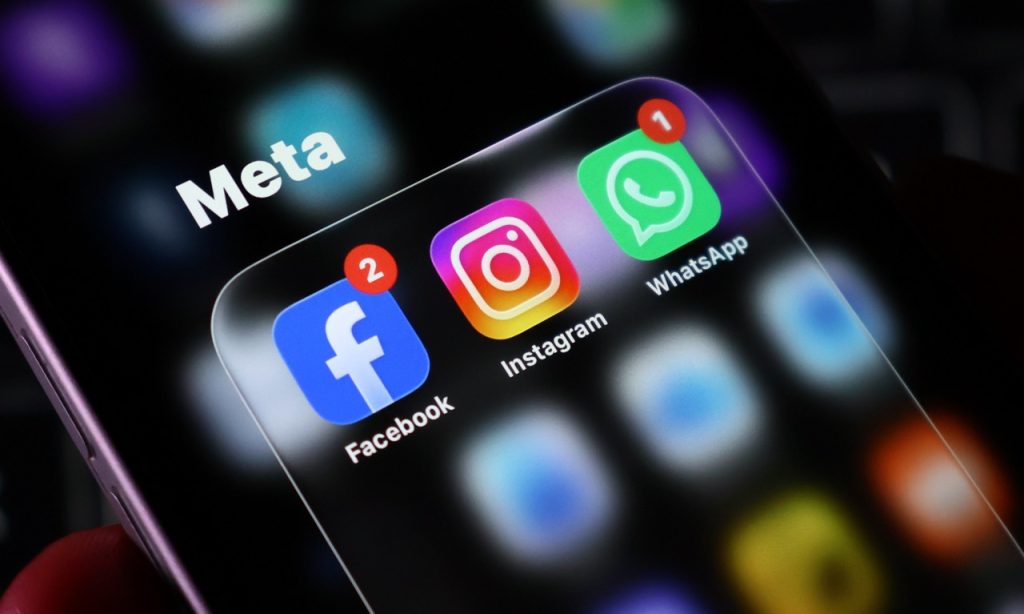
Meta’s new limits on outbound links highlight a critical business lesson in owned media vs rented media: building an audience on a platform is not the same as controlling the relationship.
It begins with something ordinary. A business publishes an article on its website, then opens Facebook to share it with followers. This time, Facebook won’t allow the link. The business tries putting it in a comment, and that doesn’t work either. Stranger still, the same link may be allowed on another Page.
We’ve started encountering these differences across business accounts. It would be easy to blame a setting or temporary error, but a documented policy change is behind at least some of these experiences. These Facebook link limits cut to the heart of a distinction we’ve been making for years: the difference between owned media and rented media.
How Facebook’s New Link Limits Work
In September 2026, Meta introduced Meta One, an expanded set of paid subscriptions for individuals, creators, and businesses. As part of a related rollout, some Facebook Pages are being limited to two organic posts or comments containing external links per month. A link placed in the first comment can count toward that allowance, just as a link in the original post does.
The limit is not universal. Some Pages are affected, while others remain unaffected. Links in paid ads and links to Meta’s own platforms are among the exceptions. The free allowance resets monthly. NC State Extension documented the restrictions in October after encountering them on its own Pages, and Sprout Social has published similar guidance.
Meta’s paid plans make the commercial direction clear. Its Essential plan, starting at $14.99 a month, does not increase the basic two-link allowance on affected Pages. The Advanced plan, starting at $49.99 a month, increases it to eight link-bearing posts or comments. The Max tier, at approximately $500 a month, offers unlimited organic Page link posts and comments. Pricing, eligibility, and availability can vary.
Facebook has legitimate reasons to protect people from spam, scams, and malicious links. Meta has described its broader efforts to reduce spam. But a monthly allowance that increases with a subscription is more than a safety measure. It changes the terms under which an ordinary business can direct interested followers to its own content.
You Built the Audience. Who Controls the Relationship?
Think about what a small business puts into a Facebook Page over fifteen years. It creates photography, announces events, answers customers, celebrates employees, and sometimes pays Facebook to attract more followers. That audience grows because the business has given people reasons to follow.
The owner may still own the photographs, words, and other original material. But ownership of that work does not provide control over distribution. A business cannot simply take its Facebook followers to an independent channel and continue the conversation. Nor can it decide which followers see a post. The platform sets those rules and can revise them.
The issue isn’t whether $49.99 is an affordable marketing expense. For some businesses, it may be. The issue is that a company can spend years building an audience, then discover that a basic way of communicating with it is controlled by a subscription tier.
We have used a simple analogy when discussing this with businesses: Social media is the water pump. Your website is the well. Facebook is useful for moving attention, starting conversations, and helping people discover something they didn’t know existed. But the well should remain somewhere the business can maintain, develop, and control.
If the pump slows down, the well should not disappear with it.
The Risk Is Greater for Small-Town Businesses
Across Southwest Virginia, many businesses have effectively made Facebook their website. Hours, menus, events, photographs, and announcements all live in a feed. The audience may be loyal and the content valuable, but little is organized for someone who doesn’t already know where to look.
That arrangement feels economical until the platform changes. A restaurant needs to share a menu. A gallery wants visitors to explore an exhibition. A lodging business has availability to fill. A builder publishes an explanation of its process. These aren’t suspicious links. They connect customers to information they came to find.
Without an independent destination, a post might be seen today and buried tomorrow. A website page can be organized, updated, discovered through search, referenced elsewhere, and revisited directly. The owner can shape the experience around what customers need instead of what a feed prefers.
A website isn’t immune to changes in search engines, hosting, or technology. It simply gives the business more control over its information, presentation, and the paths people take to become customers.
Owned Media Is More Than Having a Website
The answer is not to abandon Facebook. That would misunderstand its value. Social platforms can still be excellent places to participate in local conversations, share authentic photography, respond to customers, and reach people who would not otherwise discover a business. The mistake is allowing those platforms to become the only place where a business’s identity and customer relationships exist.
A sounder approach begins by publishing important information on the company’s own website: articles, project stories, service details, event information, booking opportunities, and the evidence behind its claims. Social media can introduce that material and invite people to explore further. The Page’s website field, action button, featured content, and available event or Story links become useful ways to connect the channels when ordinary post links are restricted.
It also means building relationships that don’t depend entirely on a feed. An opt-in email list, a reliable customer database, direct reservation or inquiry systems, and an organized archive of original content give the business ways to communicate and serve customers beyond any single social network. These assets take effort to build, but they become more useful over time because the business can develop them rather than start over whenever a platform changes direction.
Paid social advertising still has a role when its purpose is clear and its return can be measured. Paying to reach a specific audience for a reservation, sale, or event may be sensible. Paying automatically for additional publishing privileges across every Page a company manages is a different decision, and one that deserves scrutiny.
The Question Every Business Should Be Asking
Facebook’s link restrictions are still evolving. They may expand, change, or be revised again. That uncertainty is itself part of the lesson. A company shouldn’t need to predict every future platform decision to protect its ability to communicate.
The better questions are more fundamental. If Facebook stopped sending people to your website tomorrow, how would customers find your current information? How many relationships could you continue through channels you control? Where does the permanent record of your work live? And after another five years of publishing, what will your business actually own?
Nobody owns the people who choose to follow a brand. But a business can own its original work, maintain a credible home for its information, and cultivate direct relationships with customers who want to hear from it.
That is the strategic value of owned media. It isn’t a rejection of social media. It’s the decision to build something durable beneath it.
Your audience should never be one platform’s permission away from hearing from you.
